Building a reliable aircraft hangar is a significant investment that requires careful planning. For pilots, FBOs, and aviation businesses, the structure must protect high-value assets and support complex operations. Choosing the right aircraft hangar construction companies is the first step, but understanding the core design elements is key to ensuring longevity and functionality. Prairie Barns Construction specializes in custom-built structures designed to endure harsh regional elements while perfectly fitting your specific aviation requirements.
Airplane Hangars Design Considerations
Choosing the Right Building Method
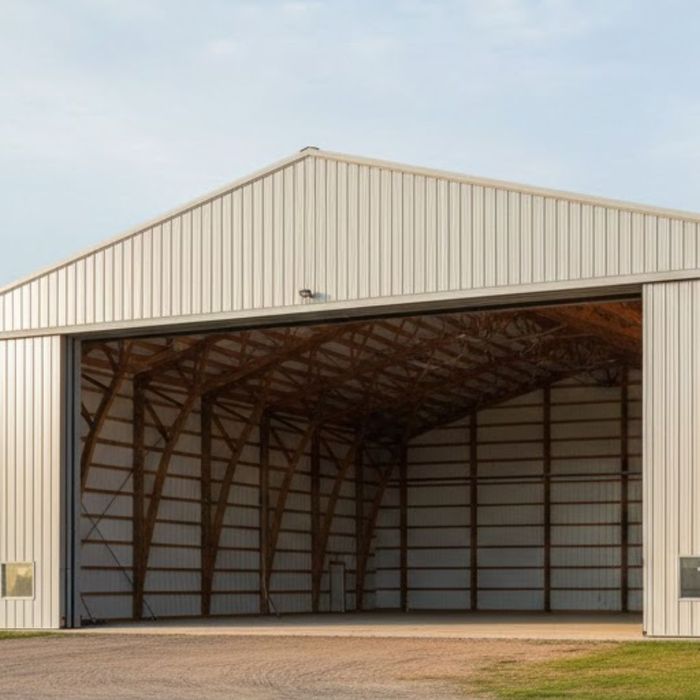
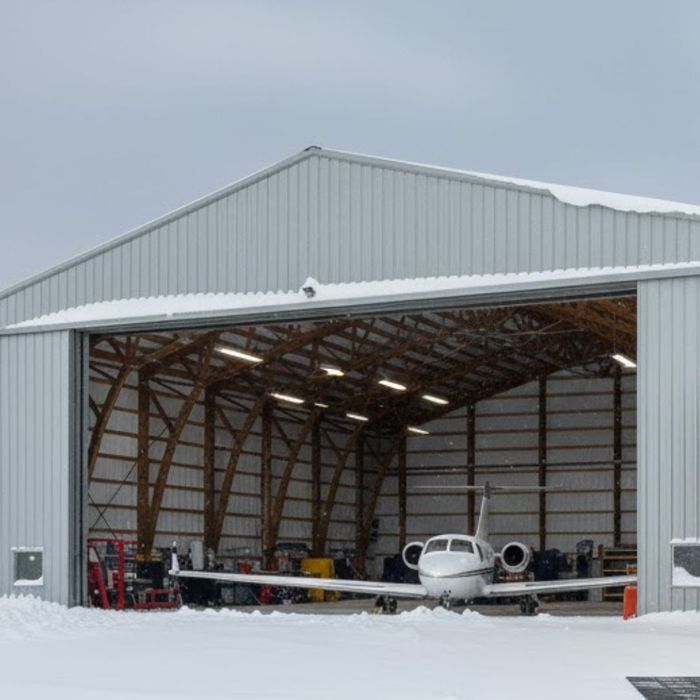
The fundamental design starts with the construction type. For a large, open hangar for planes, Post-Frame construction is often the best choice due to its open-span design. This method eliminates interior load-bearing walls, maximizing maneuverability and storage space for aircraft wings and machinery. For hangars requiring finished interiors, offices, or heated workshop space, a Stud-Frame structure built on a foundation may be preferred to easily integrate plumbing and HVAC systems.
Engineering for Regional Climate
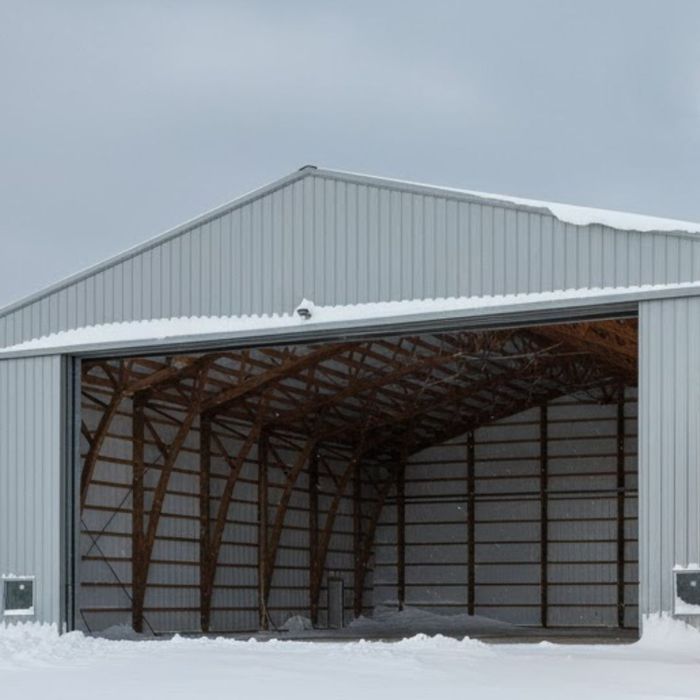
Given the harsh weather conditions found in regions like North Dakota and Montana, a hangar must be built for maximum durability. Design considerations must include heavy-duty materials, proper insulation, and engineering tailored to withstand local wind and snow loads. This ensures the structural integrity of your facility for decades to come, protecting high-value assets year-round.
Prioritizing Clear-Span Functionality
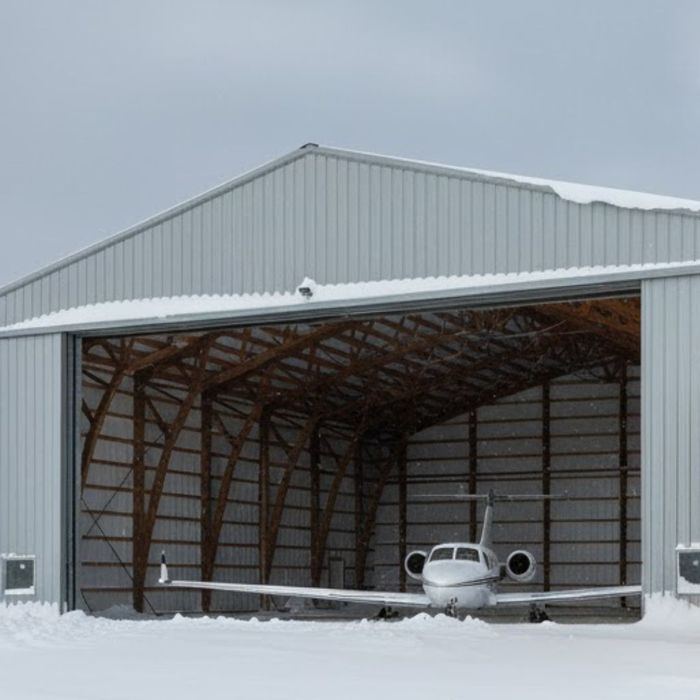
The primary requirement of any aircraft hangar is unobstructed space. The design must utilize construction techniques that support wide, clear spans without interior obstructions. This is essential for accommodating large wing spans and allowing easy, safe entry and exit through oversized hydraulic or bi-fold hangar doors.
Integrating Custom Interior Needs
Many hangars function as more than simple storage. The design process must account for any necessary interior spaces, such as crew lounges, offices, maintenance workshops, or parts storage. This involves thoughtful placement of electrical systems, specialized flooring, and high-efficiency insulation to create a comfortable, functional, and energy-efficient environment.
From the initial blueprint to the final walk-through, partnering with experienced aircraft hangar construction companies ensures your design is practical, durable, and fully customized. Contact us today!